What to eat before and after training
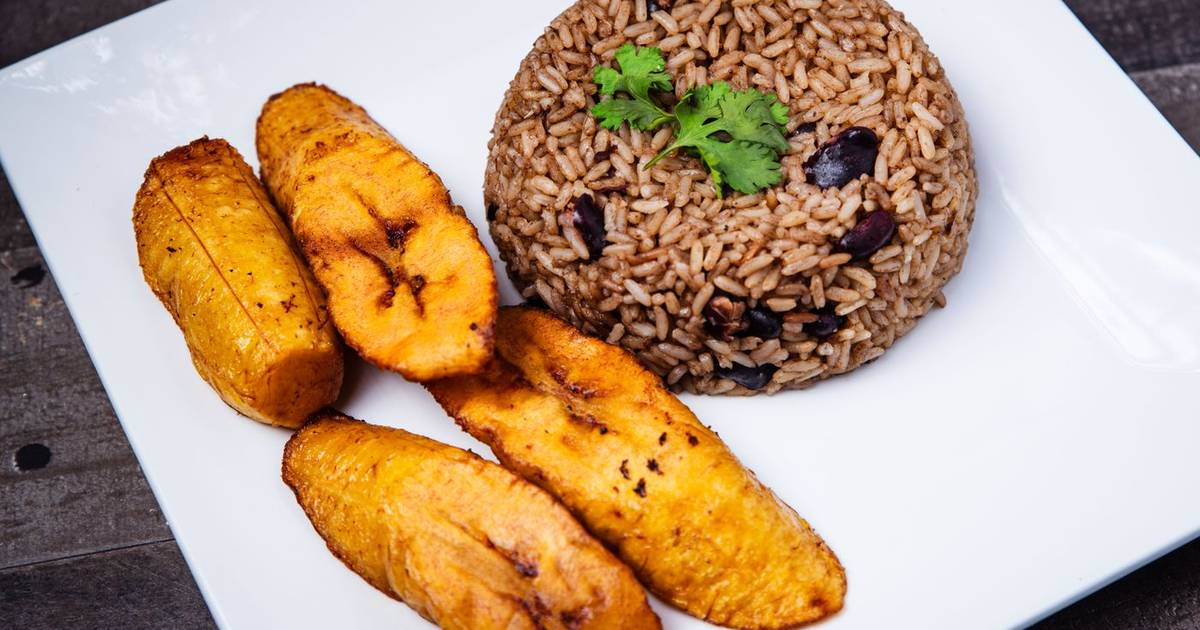
You don't need special products to train well. Ordinary, balanced meals do the job. What helps most is knowing what kind of food to eat and roughly when.
Carbohydrate is your main fuel
Carbohydrate is the main fuel your muscles use when you exercise, and the more you train, the more of it you need. In Ghana's dietary guidelines, the biggest food group is cereals, roots and tubers: think rice, maize, millet, yam and cassava.
Before you train
- Two to three hours before: have a light meal or a snack that's high in carbohydrate and low in fat. For example, bread with a boiled egg, a bowl of oats or koko, or boiled yam or plantain.
- Shortly before a longer session: a quick snack such as a banana or some dried fruit can help.
After you train
- Start refuelling soon. Muscles refill their energy stores (glycogen) fastest in the first two hours after exercise, so it helps to eat some carbohydrate as soon as you can, especially if you'll train again soon.
- Add protein. Protein helps muscles repair and grow. Most people get enough from a varied, balanced diet, ideally spread through the day rather than all in one meal.
- Everyday Ghanaian examples that combine a staple with protein:
- banku or kenkey with grilled fish and pepper
- rice and beans (waakye) with an egg
- red red: beans with fried or boiled plantain
- jollof or plain rice with chicken and vegetables
Balance over the whole day
Ghana's guidelines recommend eating from six food groups every day: cereals, roots and tubers; legumes, pulses and nuts (such as beans and groundnuts); animal-source foods (such as fish, eggs and meat); fruits; vegetables; and a little healthy fat. They also advise eating foods high in sugar, fat and salt less often.
Don't forget water
Drink water regularly through the day, and more when you sweat from exercise or heat. A good check is the colour of your pee: it should be pale. For most gym sessions, water is enough. If you eat a balanced diet and aren't doing long, hard exercise, you most likely don't need a sports drink.
What about supplements?
Supplements won't make up for not eating well. If you're thinking about one, talk to a qualified health professional first.
General information, not medical advice. If you have a health condition, check with a doctor before starting a new exercise or diet.
More from the blog
-

Why rest and sleep matter for getting stronger
Training is only half the work. How rest days and a good night's sleep help your body recover.
-
Your first week at the gym: a beginner's guide
New to the gym? How much to do, how to start safely, and what's normal to feel in your first week.